This morning, as we marked Child Exploitation Awareness Day, I kept thinking about a young person who once said to me, “I just wanted someone to choose me.”
When you hear that from a child who already feels different, already feels outside the edges of belonging, you realise how quickly vulnerability can turn into risk. Especially for neurodivergent young people.
One boy we supported would spend long hours alone after school, pacing the same streets because being around others was overwhelming. He didn’t notice when older teens started inviting him over, “being nice”, offering attention he’d never quite received from peers. What he did notice was the feeling of finally being included. That was enough for the danger to slip in unnoticed.
Research backs what we see every day:
- Neurodivergent children are significantly over‑represented in exploitation cases, including online grooming, CCE and CSE.
- Many ND children struggle with reading social cues or assessing risk, which can make coercive behaviour harder to recognise.
- Those with disrupted belonging, low self‑esteem or previous school exclusion face even higher vulnerability, with strong links to future justice involvement if unsupported.
But behind those risk factors is something simple:
Children who feel disconnected will gravitate toward any space that feels like acceptance.
At BrightPaths, we don’t rush in with checklists or labels. We sit beside young people, move slowly, and build trust in ways that honour sensory needs, communication differences and identity. We help them feel seen long before they’re at crisis point. That sense of connection becomes a layer of protection, a buffer against grooming, exploitation and harm.
The National Child Exploitation Awareness Day aims to highlight the issues surrounding Child Exploitation (CE), encouraging everyone to think, spot and speak out against abuse and adopt a zero-tolerance to adults developing inappropriate relationships with children or children exploiting and abusing their peers.
Today’s theme, “working in partnership,” reminds us that safety isn’t created by one professional or one service. It grows through community: teachers noticing early signs, parents being heard, youth workers offering safe spaces, and relational support like ours bridging the gaps between them.
If you’re supporting a young person who feels adrift, misunderstood or alone, you’re not alone either. Reach out for help to, see some helpful guides here or get in touch, and we can talk it over and help you find the right support.
Send us a messageYou can help give victims a voice
Show your support on social media using #HelpingHands and #CEADay26


Similar posts
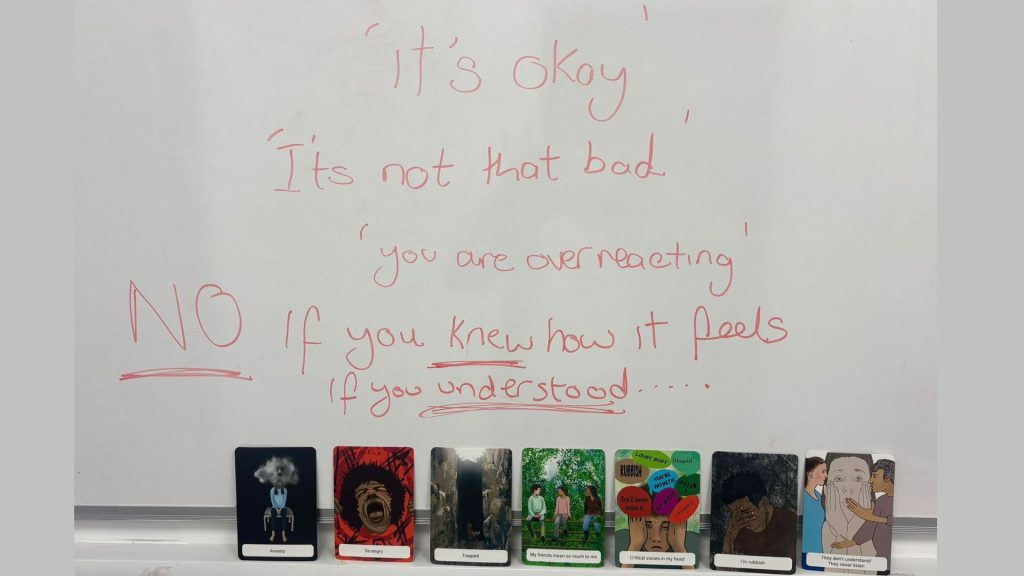 Read When isolation is used as punishment, what problem are we really trying to solve?
When isolation is used as punishment, what problem are we really trying to solve?
 Read SEND tribunals and what families really experience
SEND tribunals and what families really experience
 Read Children’s Mental Health Week: Download our free wellbeing pack