Welcome to the January edition of Steps and Stories!
This month’s edition looks back on our work this year and shares updates from across our projects, and includes a free, no-equipment ‘sensory circuits’ guide to help children start the school day feeling regulated and ready to learn.
As we look ahead to 2026, we’re excited to continue supporting our local communities. None of this would be possible without the ongoing support of our partners, supporters and our incredible volunteers!
This month’s free downloadable resource: a no-equipment sensory circuits guide – perfect for helping children to regulate themselves at the start of a school day.
Don’t miss future editions!
Subscribe to Steps and Stories to get the latest updates delivered straight to your inbox as soon as they’re published.
And be sure to follow us on LinkedIn to stay connected with our work supporting children’s emotional wellbeing.

Similar posts
 Read When Belonging Becomes Protection: Understanding Why Neurodivergent Children Face Higher Exploitation Risks
When Belonging Becomes Protection: Understanding Why Neurodivergent Children Face Higher Exploitation Risks
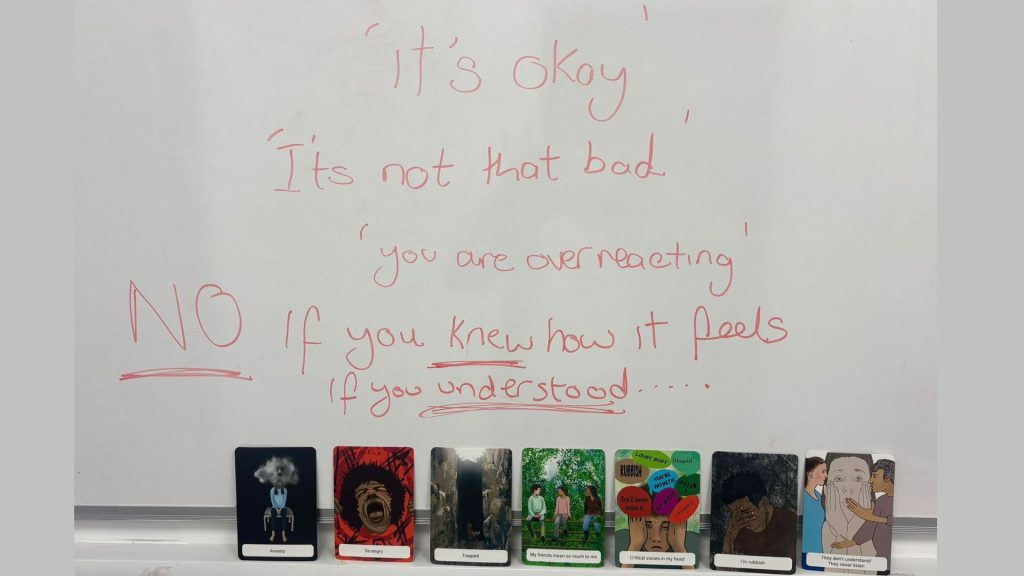 Read When isolation is used as punishment, what problem are we really trying to solve?
When isolation is used as punishment, what problem are we really trying to solve?
 Read SEND tribunals and what families really experience