Every time we look at the latest SEND tribunal figures, it feels like we’re only seeing the tip of something much bigger. Behind those numbers are families waiting, children missing out, and a system under enormous strain – rising need, stretched services, financial pressures – all while the discussion continues about what reform might look like.
In this blog, we explore what the February 2026 figures mean for families, the current SEND context, and how early support and practical, day-to-day action can make a real difference.
What the numbers don’t show
Last academic year, around 25,000 SEND appeals were registered- more than ever before, councils winning almost none of them, and hundreds of millions spent on legal costs.
That means most families who go to tribunal are proven right about their child’s needs or the support that wasn’t provided early enough. Read more in the article by specialneedsjungle.com.
But the tribunal numbers don’t capture the lived experience of families we work with who describe long waits for assessments, endless forms to fill in, meetings that feel like they go nowhere , and the exhaustion when nothing changes. By the time they reach a tribunal, it’s rarely about wanting a fight, it’s about being heard after years of not being listened to.
Most SEND appeals aren’t about minor details. They’re about whether a child can be supported in school so they feel safe and understood, whether adjustments are made that actually help learning, and whether someone finally recognises who the child is and what they need.
Why the system feels stretched
Councils across England are highlighting widespread financial problems linked to SEND spending. Around 95% of councils now have high-needs deficits, and most say they won’t be able to set balanced budgets when the temporary accounting rules end.
Tight budgets and rising demand make it harder for local authorities to provide early support, and that pressure shows up in appeals.
A recent survey shows that councils aren’t just struggling, many warn they could become insolvent unless something changes. One report referred to in the Financial Times found that almost 70 councils could face insolvency if SEND spending continues to climb.
At the same time, the Government has now published its long-awaited white paper, Every child achieving and thriving, which includes a consultation on SEND reform. It asks for views on how the SEND system should evolve, including how support is organised, how schools and local services work together, and how children’s needs can be met earlier and more consistently.
While some early responses from families and organisations welcome the focus on improved early support and inclusion, many are asking what this will actually mean day to day – especially when it comes to legal protections and the right to challenge decisions.
A broad coalition of more than 130 charities and advocacy organisations, led by the Disabled Children’s Partnership, has been very clear to ministers that there must be legal protections in place for disabled children, including EHCPs and access to SEND tribunals, to stop them being eroded in the name of cost‑cutting or simplification.
How we think about change
If tribunals are a symptom, not a cause, what we really need to look at is what happens long before a family picks up a tribunal form.
Families tell us that support comes too late or not in way that actually helps meet their child’s needs. By the time a family rages out to help, it’s usually after months or years of trying to make things work and by then everyone is exhausted , stressed and isolated already.
Early, relational support using neuroaffirming approaches make a difference and by listening and understanding the child’s lived experience, we can work with families to build support around their strengths and needs.
When children feel understood, and families feel heard, escalation becomes less likely and tribunals become something that’s rarely needed and certainly not the only option because needs are met sooner and more humanly.
If we want fewer tribunals, the answer isn’t making tribunals harder to access. The answer is a system that:
- Invests in early, preventative support, not just crisis interventions
- Listens to families and young people about their lived experience
- Builds emotionally safe, joined-up services that see children and families as people first.
Steps we can take now
We all see the cracks in the system, but fixing them isn’t only about new legislation. It’s also about what happens every day, in schools, in meetings, and in the way children and families are listened to from the start rather than only once things have reached crisis point.
If you have lived experience of the SEND system – whether that experience has been positive, exhausting, frustrating, confusing or a mixture of all of it- it can really help to share your story. Speaking up helps shape understanding about what families actually need, and gives insight that data alone can’t provide.
You can make a difference by talking to your child’s school about early support, sharing your experience in the current government SEND reform consultation or at local engagement events, and helping to build communities where families feel safe to say, “This isn’t working,” while there’s still time to put it right.

Similar posts
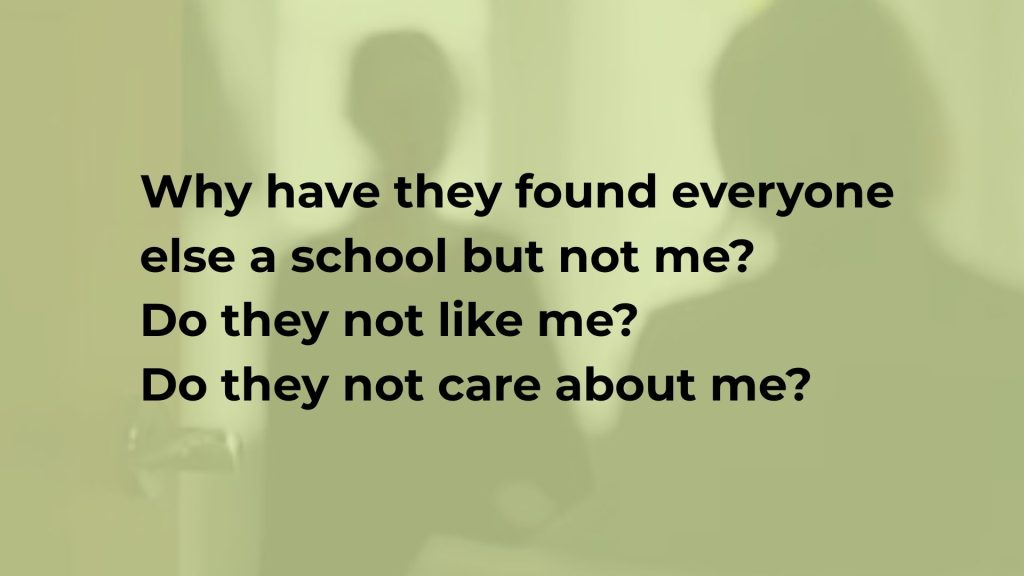 Read Bright Paths’ response to the ITV SEND whistleblower investigation
Bright Paths’ response to the ITV SEND whistleblower investigation
 Read Bright Paths newsletter – May 2026 – 4th Edition