“The quiet ones are often the ones hurting most. You just have to know how to listen.”
That reflection from one of our BrightPaths mentors captures the heart of this issue. Too many children, especially those who are neurodivergent, are missed until crisis. Many do not shout for help; they withdraw, mask, or act out. By the time the system notices, the damage is already done.
The growing need for early support
According to NHS data, around one in five children in the UK has a probable mental health condition (NHS England, 2023). In 2022, nearly 40,000 children waited over two years for support from Child and Adolescent Mental Health Services (CAMHS), while almost 40% of referrals were closed before any help was given (Children’s Commissioner, 2023). The current system is reactive rather than preventative, often stepping in only once a child reaches crisis point.
The “missing middle”
The Office of the Children’s Commissioner (2019) estimates that around one million children have emerging emotional needs that fall below the NHS threshold for specialist care. This, in conjunction with the extensive waiting times, means that many young people go without the support they need for far too long.
Teachers are often the first to notice when something is wrong, but limited time and training make it difficult to act early. These needs are often hidden, particularly among neurodivergent pupils who mask their distress to fit in. Girls are especially likely to internalise difficulties, which means problems may not be noticed until they become more serious (Smith, 2023).
Creating a preventative system means using schools as the first line of support, where wellbeing, learning and inclusion are addressed together.
Why prevention matters
Research shows that childhood wellbeing is a strong predictor of later happiness, education and employment outcomes (Frasquilho et al., 2016; Clark et al., 2016). Additionally, research indicates that identifying difficulties early saves both time and distress, while reducing future demand on clinical and social care systems (Maxwell et al., 2008). Despite this, many children still struggle to access timely mental health support, and their experiences of services remain inconsistent across the country. Integration between mental health, social care and special educational needs support remains limited, which leaves vulnerable groups particularly disadvantaged.
Supporting children before crisis
BrightPaths was founded to bridge this gap in support. Our founder, Natashia, grew up with dyslexia and later discovered she had ADHD. This shaped her understanding of how neurodiversity can shape a child’s relationship with education and self-worth. While working as a mentor in schools, Natashia noticed that many pupils who appeared to be struggling or disengaged were actually coping with unmet special educational needs. She also saw teachers often hesitant to raise the possibility of neurodiversity, long delays for assessments, and a system that intervened only once behaviour had escalated.
BrightPaths was created from the understanding that early emotional wellbeing and awareness of neurodiversity must go hand in hand. By recognising that emotional distress often coexists with unmet needs, BrightPaths helps schools respond early and effectively, meeting children at the point of emerging need rather than crisis.
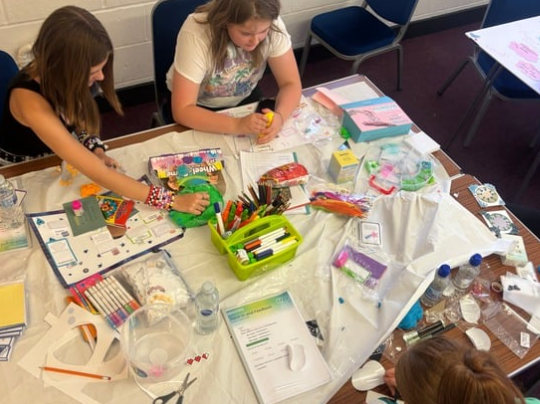
BrightPaths delivers early wellbeing and mental health support across Bedfordshire through small group workshops, one-to-one mentoring, and staff training. Activities focus on building emotional regulation, resilience, and self-awareness.
The outcomes are significant:
- Average wellbeing scores improve by 23%
- 91% of participants show improved wellbeing (based on SDQ scores)
- Schools report calmer classrooms, fewer exclusions, and more engaged learners
One pupil summed it up:
“I only came in today because I knew I had this session.”
Investing in prevention
Early intervention is a vital investment. When children receive support at the first sign of difficulty, they are more likely to stay engaged in learning, build positive relationships, and develop a stronger sense of self. Programmes like BrightPaths help to ease pressure on overstretched mental health services by addressing challenges early and building lasting coping skills. Therefore, sustainable funding for early intervention is both compassionate and strategic, and is a crucial step in supporting the wellbeing of young people.
Investing in prevention means investing in potential, ensuring every child is understood, supported and given the chance to thrive.

References
Children’s Commissioner for England. Over a Quarter of a Million Children Still Waiting for Mental Health Support. London: Children’s Commissioner, 2023.
Frasquilho, Diana, Margarida Gaspar de Matos, José Guerreiro, and Tim Huynh. Mental Health, Academic Achievement and School Dropout: A Systematic Review. Social Psychiatry and Psychiatric Epidemiology 51, no. 3 (2016): 345–358.
Maxwell, Claire, Peter Aggleton, Ian Warwick, Ekua Yankah, Vivian Hill, and Dina Mehmedbegović. (2008). Supporting Children’s Emotional Wellbeing and Mental Health in England: A Review. Health Education, 108(4): 272–86.</13>
NHS Digital England. Mental Health of Children and Young People in England: 2023 Follow-Up Study. Leeds: NHS Digital, 2023.
Office of the Children’s Commissioner. Far Less than They Deserve: Children with Lower-Level Mental Health Needs. London: OCC, 2019.
Smith, Laura. “Waiting Times for Neurodevelopmental Assessments: National Variation and Inequality.” BMJ Mental Health 21, no. 4 (2023): 182–186.

Similar posts
 Read Bright Paths’ response to the ITV SEND whistleblower investigation
Bright Paths’ response to the ITV SEND whistleblower investigation
 Read Bright Paths newsletter – May 2026 – 4th Edition